Streetwear
Oversized fits, heavyweight cotton and the workwear silhouettes the community keeps re-buying.
Nothing live in this department yet
6 wardrobe departments, 10 beyond it, 104 branches, 2 live listings
Oversized fits, heavyweight cotton and the workwear silhouettes the community keeps re-buying.
Nothing live in this department yet
The full wardrobe: shirts, knitwear, denim, trousers, dresses and the coats over them.
1 product · ¥185 median
Sneakers, boots and everything the community has actually walked in for a season.
1 product · ¥268 median
Bags first, then the hats, belts and small goods that finish an outfit.
Nothing live in this department yet
Stainless steel, silver and titanium pieces that survive daily wear.
Nothing live in this department yet
Seagull and Miyota movements, sapphire crystals and honest original designs.
Nothing live in this department yet
Home, tech, gear and the rest. Smaller than the wardrobe and browsed on purpose rather than for a look, but every branch is here and every branch is a page.
Nothing live yet
Nothing live yet
Nothing live yet
Nothing live yet
Nothing live yet
Nothing live yet
Nothing live yet
Ranked by how fast saves and views are growing, not by how big the totals already are.
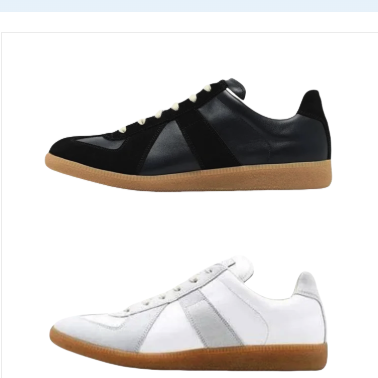
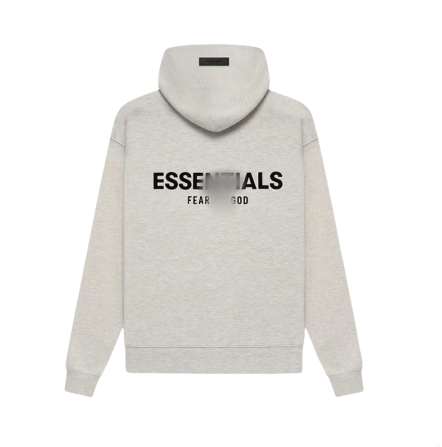
Lantern groups things by what they are, not by which marketplace department they happened to be listed under. Taobao, Tmall and 1688 each maintain their own category trees and none of them agree: a 400gsm loopback hoodie can sit under men's tops, autumn new arrivals, or a shop's own invented bucket depending on who typed the listing. That is flattened into 16 departments and 104 branches that match how people actually search.
Clothing leads because that is what the catalogue is: 100% of live listings sit in the 6 wearable departments above. The rest is real and worth browsing, and it is one section down rather than given equal billing at the top. Bags used to be its own department and now sits inside Accessories, which is where somebody shopping for one actually looks. Old links still resolve.
Every node is a destination rather than a filter state. A department page carries its branch list, the facets that matter there (colour and material for clothing, price and evidence depth for electronics), community ratings, warehouse QC photos and cost estimates through every purchasing agent we track. A branch page runs the same machinery over one shelf and adds a price distribution, so you can see where the sensible money sits before you start narrowing. Where a product could plausibly live in two places it goes in the one people search for, and cross-links carry you to the other.
Median price is the midpoint of live listings in a branch, not an average, so one ¥2,000 outlier cannot drag it. Agent totals shown on product pages are always estimates.
The feed leads with clothing and ranks on momentum and evidence quality. The guides pick a shortlist so you do not have to.
Tags cut across the tree. They are how you find the heavyweight cotton in three different departments at once, or every titanium object regardless of what it does.
Boards built around an aesthetic rather than a department. The fastest route into a whole look.
Browse collectionsEvery product priced through each purchasing agent, including service fees and freight to your region. All totals are estimates.
See the comparisonFull orders with what people actually paid, how long delivery took and whether they would order again.
Read hauls